Nasal Symptoms
Frequent sneezing, a runny or blocked nose, nasal itching and congestion.
Understand your symptoms, identify potential allergy triggers and explore personalised treatment options with specialist guidance at National Allergy Centre.
Allergic diseases occur when the immune system reacts to substances that are usually harmless to most people. These substances, known as allergens, can include pollen, house dust mites, mould, certain foods and animal allergens.
Depending on the trigger, symptoms may affect your nose, eyes, skin, breathing or digestive system. Understanding your symptoms and identifying relevant triggers can help guide the right medical assessment and care.
In India, there is 10% of the population suffering from allergic diseases. To find out the incidence of allergy suffer in the capital, the Indian council of medical research(ICMR) carried out a study, which revealed that nearly 1% of the population of Delhi suffers from Allergic Bronchial Asthma alone.

Frequent sneezing, a runny or blocked nose, nasal itching and congestion.
Itchy, watery or red eyes, often accompanied by irritation and discomfort.
Itching, redness, hives or recurring eczema-like skin inflammation.
Persistent coughing, wheezing, chest tightness or shortness of breath.
Allergic conditions can affect your breathing, skin, eyes and overall wellbeing. Understanding the condition and its possible triggers is an important step towards finding appropriate care.
Sneezing, nasal itching, a runny nose and congestion triggered by allergens such as pollen or house dust mites.
An inflammatory airway condition that may cause coughing, wheezing, chest tightness and difficulty breathing.
An allergic reaction affecting the eyes, often causing itching, redness, watering and irritation.

Inflammation involving the nose and sinuses, potentially causing congestion, nasal discharge and facial pressure.
A recurring inflammatory skin condition associated with dryness, itching, redness and flare-ups.

Raised, itchy skin welts that may appear suddenly and recur over time.
Swelling beneath the skin, commonly affecting areas such as the lips and eyelids.
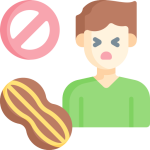
An immune reaction to particular foods that can cause symptoms ranging from hives to potentially severe reactions.

A suspected allergic reaction to a medication that requires appropriate medical evaluation.

Reactions to insect stings or bites that may range from local swelling to more serious allergic symptoms.

Skin inflammation caused by contact with an irritating substance or an allergen.
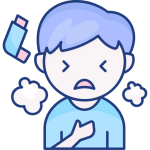
Asthma that develops or worsens following exposure to certain substances in the workplace.
Allergic symptoms can overlap with other conditions. A specialist assessment can help determine the likely cause and guide appropriate investigations and management.

Allergic reactions occur when the immune system responds to a substance that it recognises as a potential threat. These substances, known as allergens, can be found in our surroundings, food and everyday environments.
Identifying the triggers associated with your symptoms can help guide appropriate allergy assessment and management.
Microscopic organisms commonly found in bedding, carpets and upholstered furniture that can trigger respiratory allergy symptoms.
Airborne particles released by trees, grasses and other plants that may contribute to seasonal allergy symptoms.
Fungal spores that may be present in damp indoor spaces and outdoor environments.
Proteins found in animal dander, saliva and other materials that may trigger symptoms in sensitive individuals.
Foods such as milk, eggs, peanuts, tree nuts, fish and shellfish can cause allergic reactions in susceptible individuals.
Certain medications and insect stings can trigger allergic reactions that require appropriate medical evaluation.
A proper evaluation starts with understanding your symptoms, medical history and possible triggers.
Your doctor can recommend appropriate investigations based on your individual needs.
Living with an allergic condition can affect your comfort, sleep and everyday activities. The right treatment approach depends on your symptoms, the condition being treated and the triggers involved.
At National Allergy Centre, an appropriate management plan can help you understand your condition, control symptoms and make informed decisions about your ongoing care.
Allergic conditions can affect people in different ways. Understanding your symptoms, medical history and possible triggers is an important part of finding the right care.At National Allergy Centre, the focus is on helping patients better understand their allergic conditions and explore appropriate assessment and management options.
Your medical history and symptoms help guide decisions about appropriate investigations and allergy testing.
Treatment recommendations should reflect your condition, symptom severity and personal circumstances.
Follow-up care can help review your progress and address changes in your symptoms or treatment needs.